
5 Atlanta Neighborhood Clues First-Time Buyers Should Notice Before Touring
5 Atlanta Neighborhood Clues First-Time Buyers Should Notice Before Touring
House hunting starts long before you step through the front door. In a market as varied as metro Atlanta, the street, the surrounding blocks, and even the rhythm of the neighborhood can tell you just as much as the listing photos. First-time buyers often focus on finishes, price, and square footage, but the smartest shoppers pause to read the setting first. That bigger-picture view can help you avoid surprises and zero in on the communities that truly fit your lifestyle.
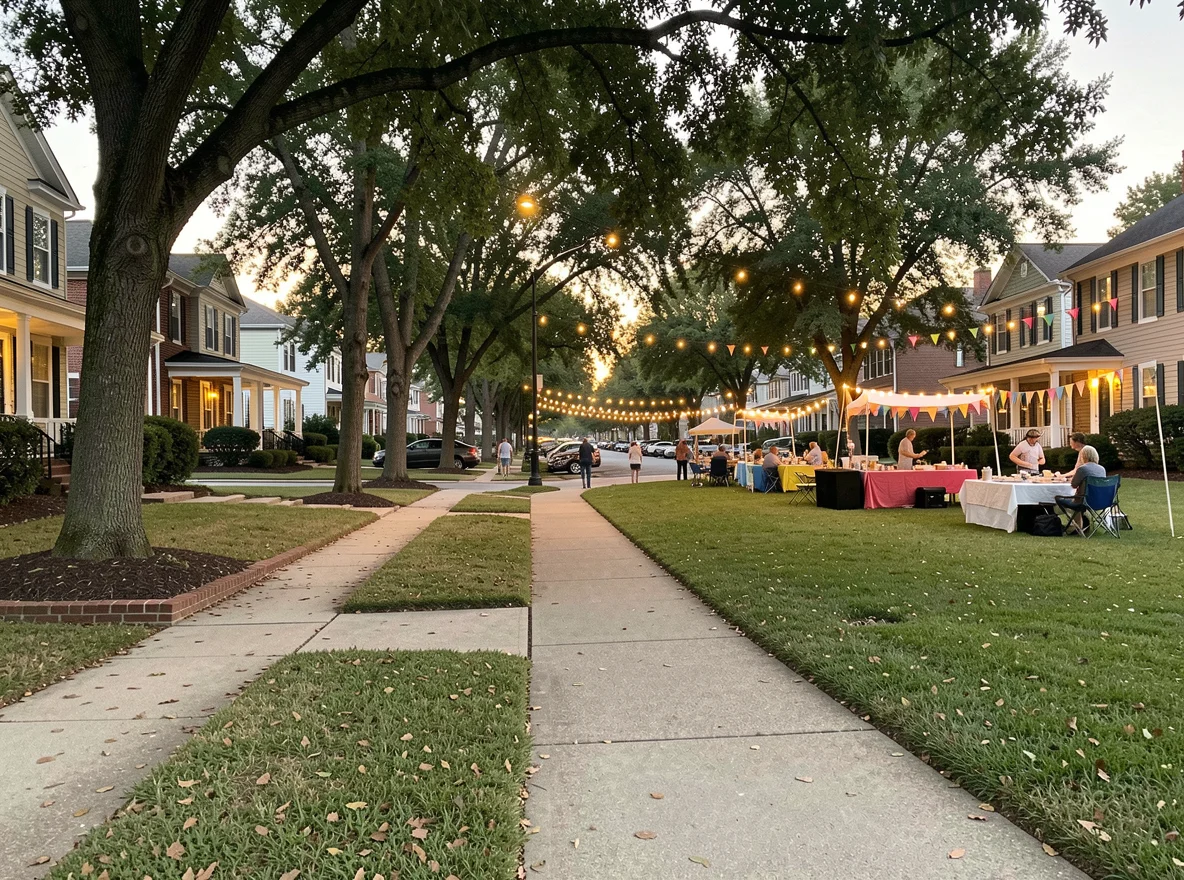
The first clue is how the neighborhood moves. Are people out walking dogs, jogging, or pushing strollers? Do cars fly through side streets, or does the area feel calmer and more residential? In many Atlanta neighborhoods, mobility says a lot about daily life. A buyer who wants easy evening walks may prefer areas with sidewalks, shaded streets, and a connected street grid, while someone prioritizing quick commuting might care more about access to major roads like I-75, I-85, or GA-400. Neither is better; the key is knowing what matters to you before the tour begins.
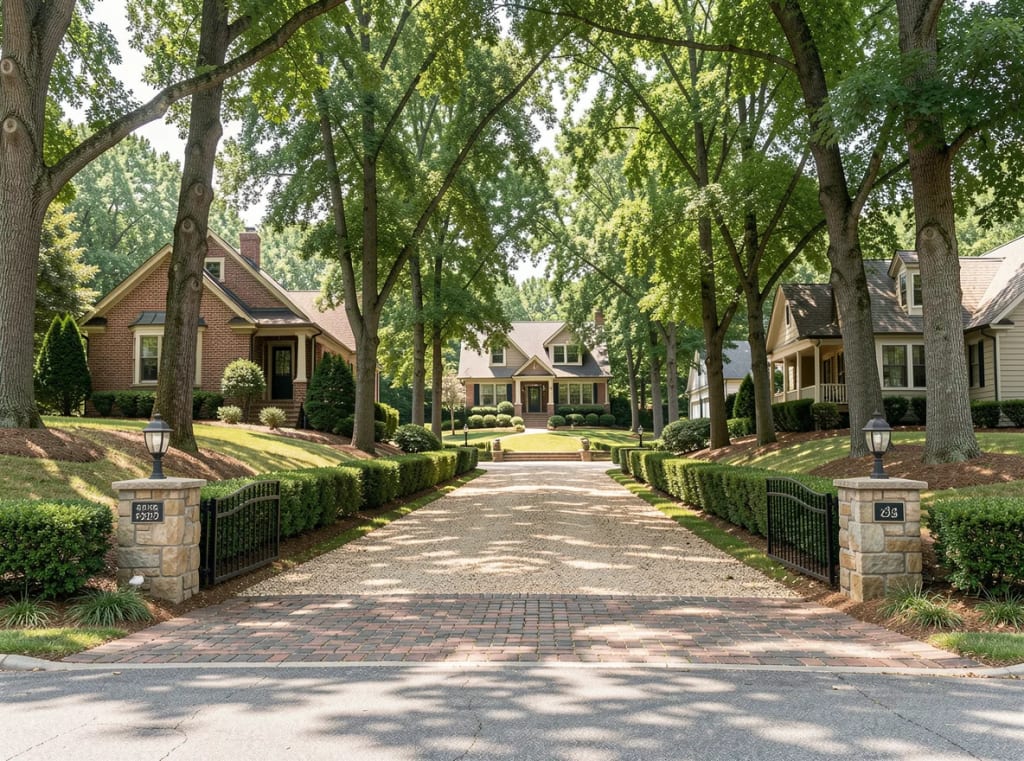
The second clue is the condition of nearby homes, not just the one you are touring. Look beyond fresh paint and staged interiors. Are neighboring properties generally maintained? Do you see long-term pride of ownership, active renovations, or a mix of older homes and new infill construction? In Atlanta, that blend can signal a neighborhood in transition, one with strong appreciation potential, or one where architectural character is part of the appeal. Buyers should pay attention to consistency, too. A block with cared-for lawns, tidy driveways, and well-kept exteriors often reflects a community where owners remain invested in the area over time.
A third signal is what your weekends might actually look like there. First-time buyers sometimes underestimate how much neighborhood convenience affects happiness. Can you get coffee, groceries, parks, fitness options, and casual meet-up spots without feeling like every errand becomes a long drive? Some parts of Atlanta offer a more urban, connected feel, while others lean quieter and more suburban with larger lots and a slower pace. There is no one-size-fits-all answer, but the right fit becomes clearer when you imagine your real routine instead of an idealized version of homeownership.
Watch the Everyday Amenities Around the Block
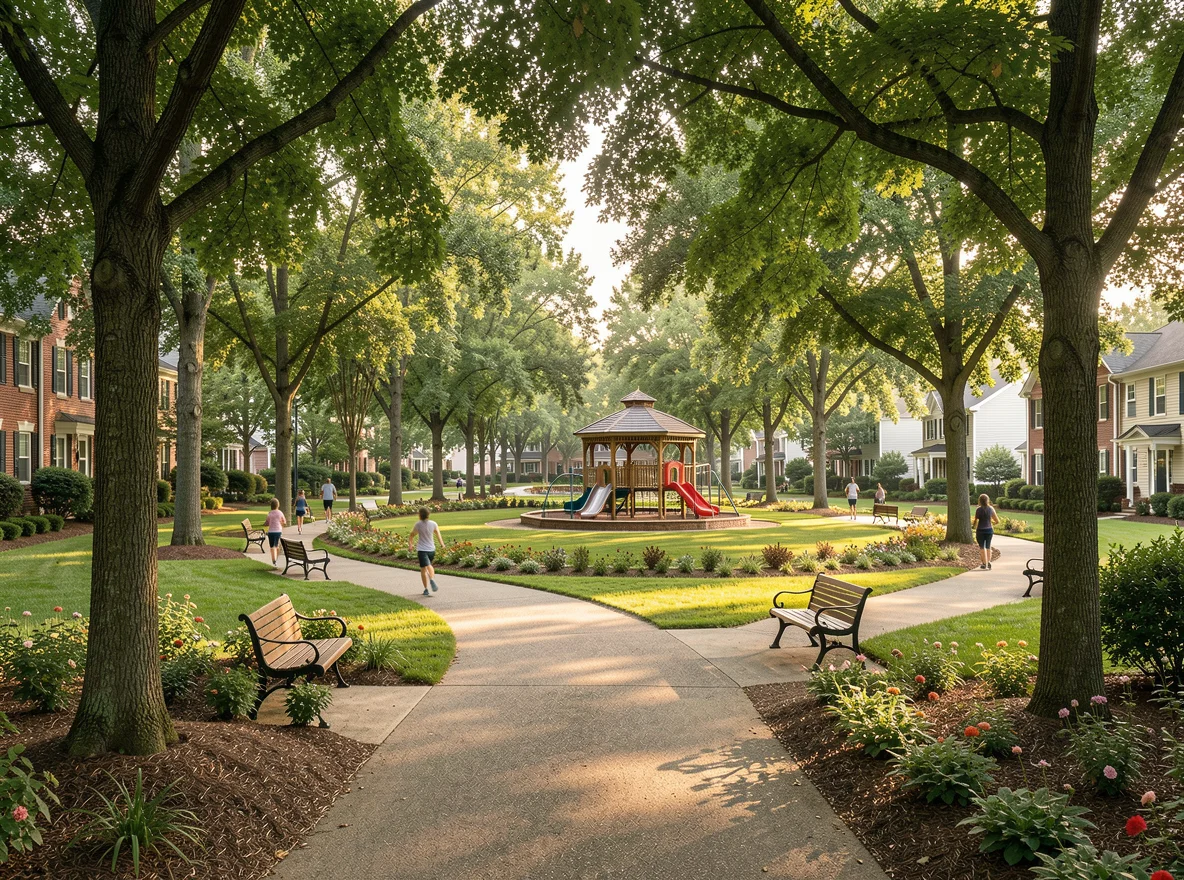
One of the most useful clues is the quality of the everyday ecosystem around a home. That includes nearby green space, school access, traffic patterns, and how easy it feels to run basic errands. Even buyers without children often track school zones because they can influence long-term resale value. Likewise, access to parks, trails, and recreation matters in Atlanta, where outdoor living is part of the appeal for much of the year. If a neighborhood gives you easy access to playgrounds, community fields, or tree-lined walking paths, that can add value you feel every week, not just on paper.
Another smart clue is parking and street use. It sounds minor until you live with it. Spend a minute noticing whether streets are crowded with parked cars, whether driveways are functional, and whether guests would have realistic room to visit. In denser intown areas, limited parking may be normal and worth the tradeoff for location. In other neighborhoods, it could be a clue that the block functions differently than you expected. First-time buyers are often surprised by how much these practical details influence daily comfort.
Noise is worth evaluating too, especially in a large metro area. A home can look peaceful online but sit close to cut-through traffic, commercial corridors, train lines, or busy intersections. Tour at different times if possible. Morning, late afternoon, and weekend visits can reveal very different personalities. A buyer who works from home may notice road noise immediately, while another may care more about evening activity and convenience. The best neighborhood for you is not the one that checks the most boxes for everyone else; it is the one that supports your own habits and priorities.
This is also where local guidance makes a difference. An experienced professional with deep Atlanta market knowledge can point out patterns a first-time buyer may not yet recognize, from school-driven demand to subtle differences in block-by-block desirability. Karen Armstrong of Inspire Real Estate brings extensive metro Atlanta experience and a high-volume background of more than 1,200 homes sold, which means buyers benefit from perspective gained across many neighborhoods, price points, and market cycles.
Notice the Feeling, Not Just the Features
The fourth clue is the neighborhood’s overall personality. Some communities feel polished and established, others creative and evolving, and others distinctly family-centered or commuter-friendly. You can sense a lot from the age of the trees, the mix of architecture, the pace of activity, and how public spaces are used. In Atlanta, where one neighborhood can feel dramatically different from the next, those intangibles matter. A charming bungalow district, a newer suburban development, and a condo-centered in-town pocket may all offer excellent value, but they will create very different day-to-day experiences.
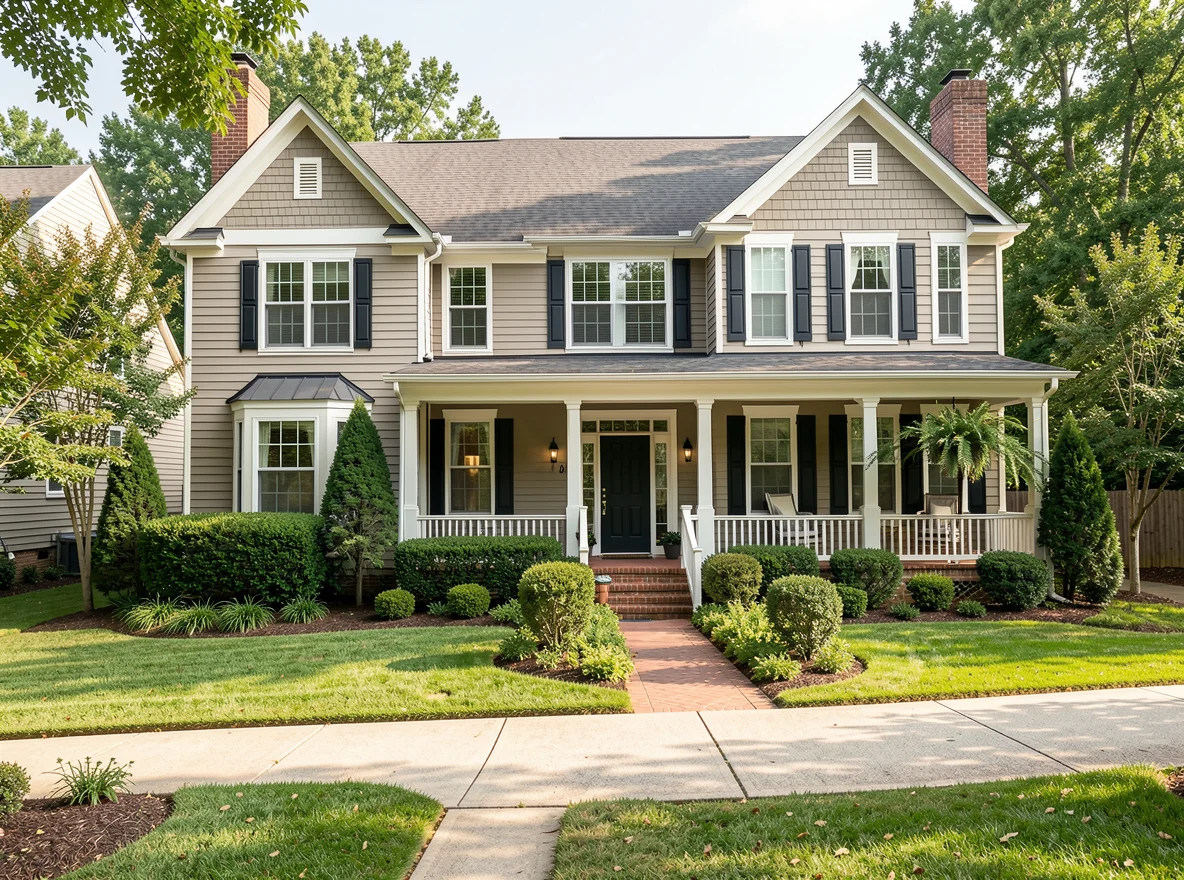
The fifth clue is future potential. Are you seeing signs of thoughtful investment such as improved homes, refreshed landscaping, updated community spaces, or new energy that still respects the existing character? That can indicate a neighborhood gaining momentum. At the same time, buyers should think practically about affordability, property taxes, commute implications, and how long they plan to stay. Real estate is emotional, but smart buying happens when emotion and context meet.
It is also worth remembering that your ideal first home does not have to be your forever home. For many buyers, the best move is choosing a neighborhood that supports the next five to seven years with confidence. Maybe that means access to local dining and nightlife, maybe it means top-notch schools and yard space, or maybe it means a strong balance between price and convenience. Reading neighborhood clues early helps narrow those choices before you spend energy touring homes that were never the right fit.
Before your next showing, slow down and study the surroundings. The sidewalks, parks, traffic flow, upkeep, amenities, and overall mood can tell you whether a listing belongs on your short list. With responsive, client-focused support and strong neighborhood knowledge across metro Atlanta, Inspire Real Estate can help first-time buyers look past surface details and make smarter, more confident decisions from the very first tour.